Biomass Drying Technology: Key Factors for Efficient Sawdust and Wood Chip Drying
Biomass materials such as sawdust, wood chips and agricultural residues are widely used in biomass fuel production, pellet manufacturing and other industrial applications. However, these materials often contain considerable moisture, making drying an important step before further processing.
Choosing suitable biomass drying equipment helps improve material handling, maintain stable production and achieve the required moisture content.
Why Is Biomass Drying Important?
Moisture content directly affects the storage, transportation and further processing of biomass materials.
For example, sawdust with excessive moisture may affect pellet production and increase the energy required for subsequent processing. Wood chips also need appropriate moisture control before being used in biomass fuel production.
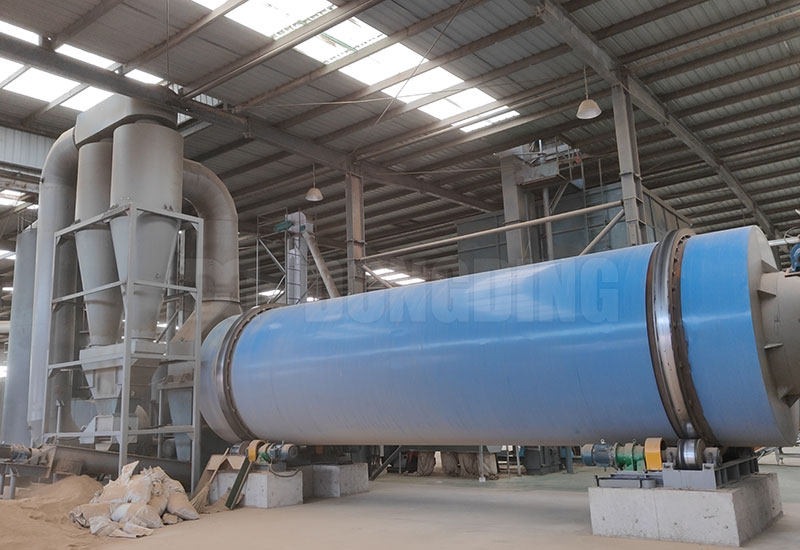
An industrial biomass dryer can help reduce moisture content and prepare raw materials for further processing.
Common Materials Used in Biomass Drying
Different biomass materials have different drying characteristics. Common applications include:
Sawdust is commonly used as a raw material for wood pellets and biomass fuel. A suitable sawdust dryer helps reduce moisture before pelletizing or other processing operations.
Wood chips are widely used in biomass energy production. A wood chip dryer can be selected according to particle size, initial moisture content and required processing capacity.
Agricultural Residues
Straw, crop residues and other agricultural by-products can also be processed through triple pass rotary dryer for further utilization.

How to Choose Suitable Biomass Drying Equipment?
Selecting the right biomass drying equipment requires consideration of several factors.
Material Characteristics
Particle size, bulk density, initial moisture content and material flowability all influence dryer selection.
Processing Capacity
The dryer should match the required hourly production capacity and the overall processing line.
Moisture Reduction Requirements
Initial and final moisture content are important parameters for determining the drying system configuration.
Heating Source
Different heating options, including coal, natural gas, biomass fuel and other available energy sources, can be considered according to project conditions.
Dust Collection System
Biomass drying may generate dust during material handling and drying. Appropriate dust collection equipment should be included according to the material characteristics and environmental requirements.
Customized Biomass Drying Solutions from Dongding
Zhengzhou Dongding Machinery provides industrial drying equipment for sawdust, wood chips, agricultural residues and other biomass materials.
Our engineering team evaluates material characteristics, processing capacity, initial moisture content, required final moisture and available heating sources when designing a drying solution.
From individual biomass dryers to complete drying systems, equipment configurations can be customized to meet different production requirements.